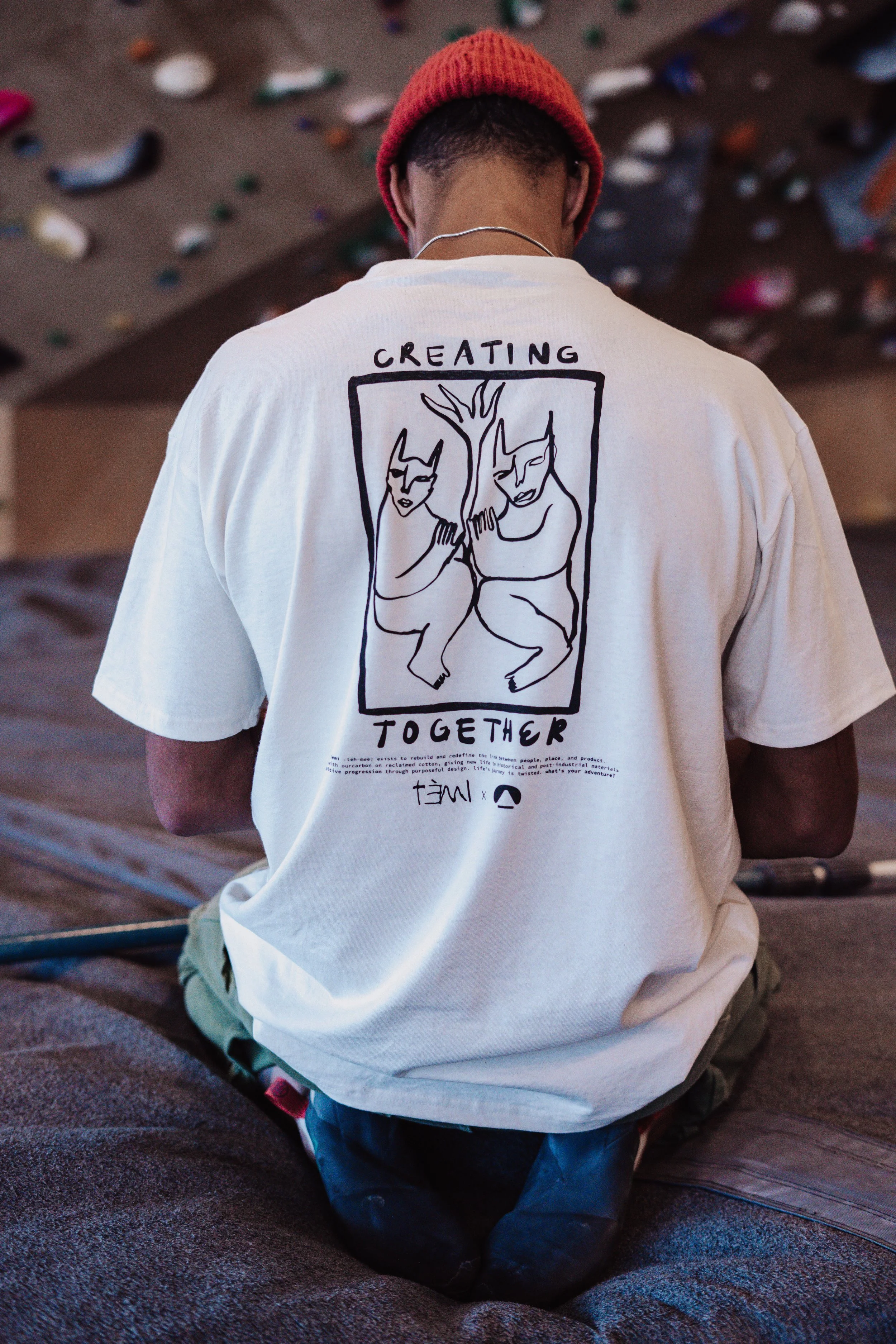
We are excited to share a new collaboration between OurCarbon, Temi Earth, and several partners across the textile supply chain that demonstrates what’s possible when circular materials, responsible dyeing processes, and water-based inks come together with intention.
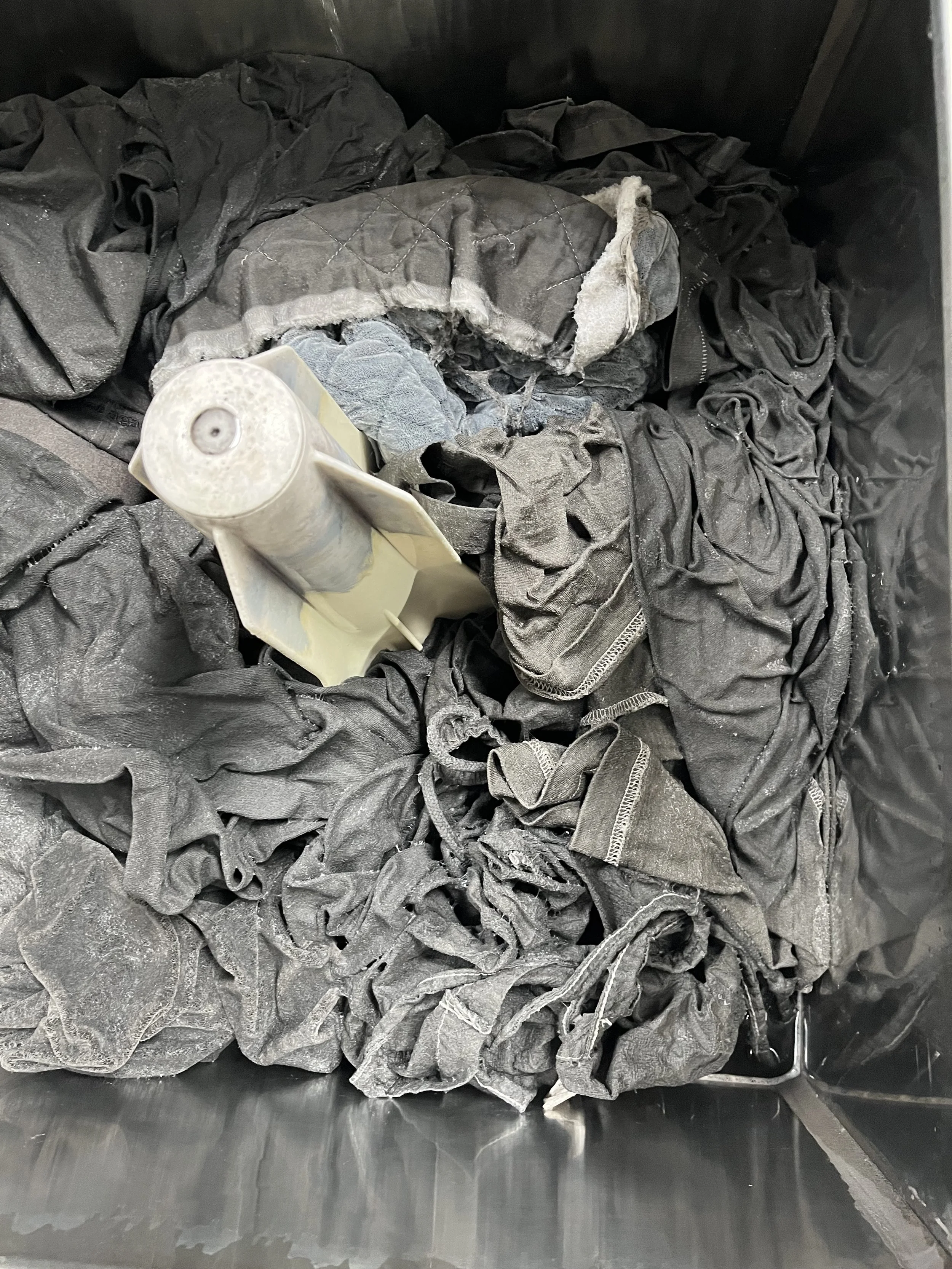
The project brought together a group of innovators working to rethink the traditional fashion pipeline. The garments themselves were sourced from two sustainable cotton supply chains. One shirt was made using reclaimed “historical” cotton grown, harvested, and produced by Comoco Cotton, a Black-owned business based in North Carolina. The second garment used reclaimed post-industrial cotton produced by Everybody.World through a fully North American supply chain and manufactured in Los Angeles.
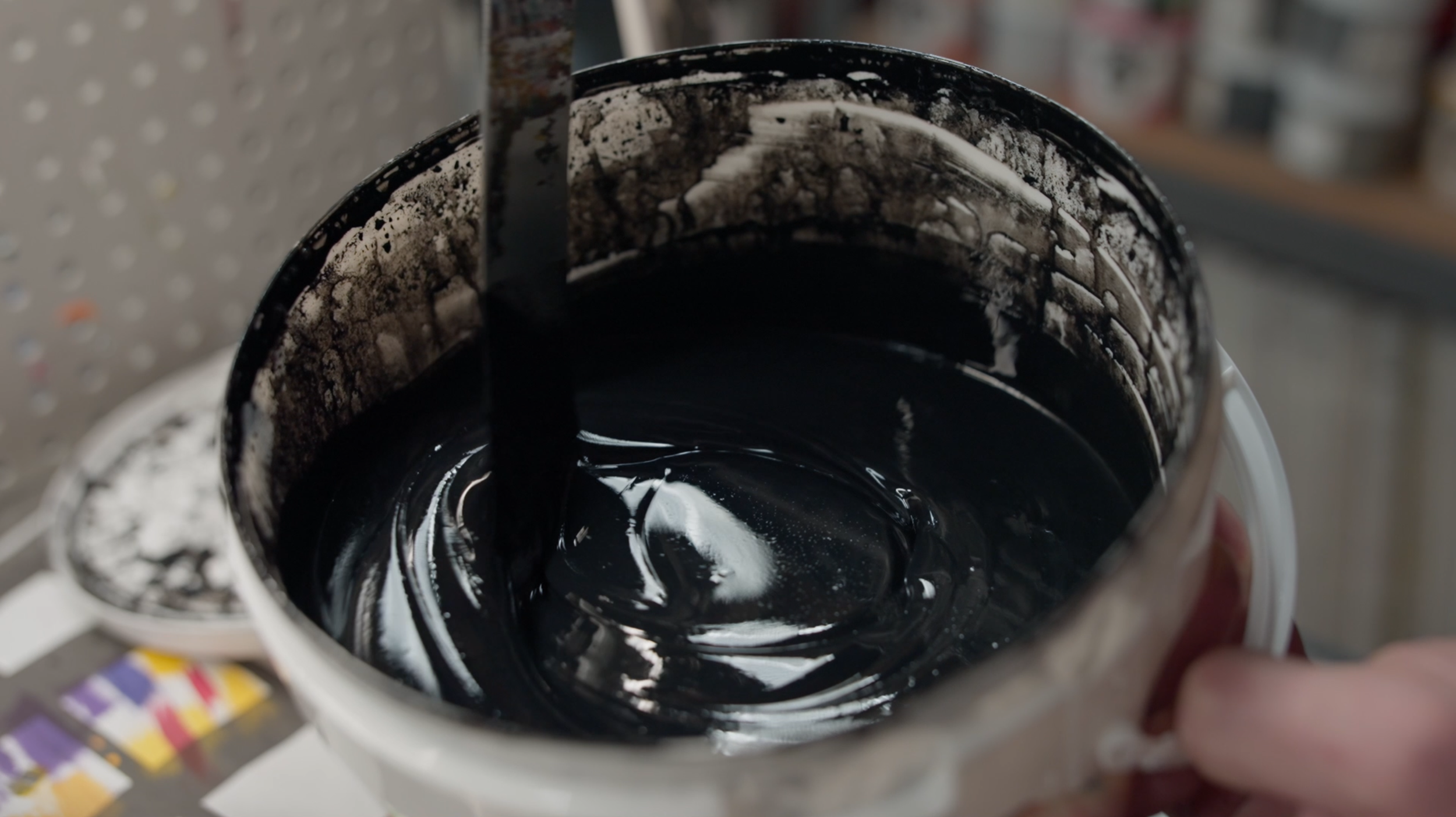
Once the garments were produced, the next phase of the collaboration took place in Northern California. The shirts were dyed at Garrison Dye House in Novato using OurCarbon, Bioforcetech’s carbon-negative pigment derived from biosolids and produced in Redwood City. After the dye process, the garments were transported to B2B Signs & Prints in San Leandro where they were screen-printed using Virus Ink’s Rethink Black, a water-based, bio-based ink formulation colored exclusively with OurCarbon.
This project marks the first time a garment has been both dyed and printed using OurCarbon, replacing fossil-derived carbon black with a bio-based, carbon-negative alternative.
Beyond the material innovation, the collaboration highlights a powerful example of local circular production. The garments were dyed, printed, and distributed within roughly 75 miles of the wastewater treatment facility where the OurCarbon pigment was originally produced.
Bioforcetech’s OurCarbon team has been sharing a series of videos on LinkedIn highlighting the partners and processes behind the project, offering a closer look at how each contributor helped bring the collaboration to life.
Together, Temi Earth, Bioforcetech, and their partners demonstrate how circular materials and responsible manufacturing can reshape the future of fashion. Sustainable fashion is not a passing trend.